-
Courses

Courses
Choosing a course is one of the most important decisions you'll ever make! View our courses and see what our students and lecturers have to say about the courses you are interested in at the links below.
-
University Life

University Life
Each year more than 4,000 choose University of Galway as their University of choice. Find out what life at University of Galway is all about here.
-
About University of Galway

About University of Galway
Since 1845, University of Galway has been sharing the highest quality teaching and research with Ireland and the world. Find out what makes our University so special – from our distinguished history to the latest news and campus developments.
-
Colleges & Schools
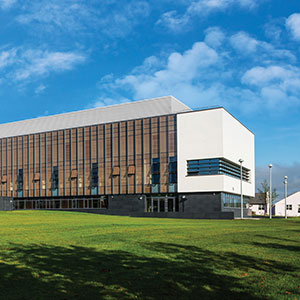
Colleges & Schools
University of Galway has earned international recognition as a research-led university with a commitment to top quality teaching across a range of key areas of expertise.
-
Research & Innovation

Research & Innovation
University of Galway’s vibrant research community take on some of the most pressing challenges of our times.
-
Business & Industry
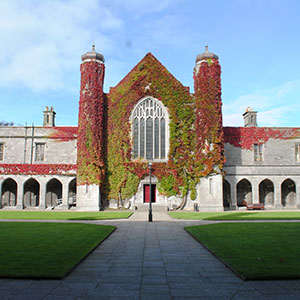
Guiding Breakthrough Research at University of Galway
We explore and facilitate commercial opportunities for the research community at University of Galway, as well as facilitating industry partnership.
-
Alumni & Friends

Alumni & Friends
There are 128,000 University of Galway alumni worldwide. Stay connected to your alumni community! Join our social networks and update your details online.
-
Community Engagement

Community Engagement
At University of Galway, we believe that the best learning takes place when you apply what you learn in a real world context. That's why many of our courses include work placements or community projects.
 Accessibility & Language
Ongoing ICU Clinical Trials
Five active studies underway in our intensive care unit, spanning severe pneumonia, ARDS, sepsis and shock, genetic susceptibility to critical illness, and the safety of emergency airway procedures. All participation is voluntary and alongside standard medical care.
-
ESSCAPE- A randomized, placebo-controlled, double-blind, multi-center, phase III trial to assess the efficacy and safety of trimodulin (BT588) in adult hospitalized subjects with severe community-acquired pneumonia (sCAP)
Status: RecruitingSponsor: Biotest AGAim: Testing whether trimodulin, added to standard hospital care, improves recovery and survival in patients with severe pneumonia who require a ventilator.
About severe pneumonia: a lung infection serious enough to stop the lungs working properly on their own, causing respiratory failure and the need for a ventilator to breathe.
Design:Randomized, double-blind, placebo-controlledTreatment: Daily infusion for 5 days, followed 90 daysPrimary measure: Survival at 28 daysEligibility: age18 and olderFull eligibility
Who can take part
- Age 18 or older, hospitalized with community-acquired pneumonia
- Severe enough to require a ventilator, treatment started within 24 hours of ventilation
- Blood test shows significant inflammation (CRP ≥ 70 mg/L)
Who is not eligible
- Pregnant or breastfeeding
- Already on ECMO life support, or pneumonia acquired in hospital rather than the community
- Significant pre-existing kidney, liver, lung or heart disease
- Known allergy to human plasma proteins
- Life expectancy under 90 days from an unrelated illness
Suitability is confirmed by the study team on a case-by-case basis. Consent is obtained from the patient or their legally authorized representative before enrollment.
Website link: Biotest-Esscape Trial
-
GenOMICC - Genetics of Mortality in Critical Care
Status: RecruitingSponsor: University College Dublin
Aim: A blood sample and linked medical data help researchers understand why some people become critically ill from infections or injuries while others recover easily — part of a wider international collaboration.
About critical illness: the point where organs such as the lungs, kidneys or heart begin to fail as the body responds to a severe infection or injury, sometimes called multi-organ dysfunction.
Design: Observational, genetic (single DNA sample)Population: Adults and children, no upper age limitConsent: Patient, or family/representative if too unwellTarget enrollment: ~500 in Ireland, 100,000 worldwideFull eligibility
Who can take part
- Critically ill patients from severe infection or major injury, including COVID-19, flu, RSV, pneumonia, sepsis, severe burns and pancreatitis
- Patients on advanced life support such as ECMO
- Volunteers exposed to infection with mild or no symptoms, as a comparison group
Who is not eligible
There are no exclusion criteria and no age limit — anyone meeting the illness criteria above can be considered.
A single blood sample is taken alongside routine clinical bloodwork. Genetic results are not fed back to individual participants.
-
PEGASUS- Personalized Mechanical Ventilation Guided by UltraSound in Patients with Acute Respiratory Distress Syndrome
Status: RecruitingSponsor: Amsterdam UMC
Aim: Bedside lung ultrasound identifies how each patient's lungs are affected, letting doctors tailor ventilator settings instead of using one approach for every patient.
About ARDS: Acute Respiratory Distress Syndrome — the lungs become inflamed and stiff, making it very hard to get enough oxygen into the blood, and usually requiring a ventilator.
Method: Bedside lung ultrasoundCondition: Moderate–severe ARDS (Berlin criteria)Primary measure: Survival at 90 daysTrial size: 538 patients, ~40 ICUs worldwideFull eligibility
Who can take part
- Admitted to a participating ICU and invasively ventilated
- Meets the standard clinical definition (Berlin criteria) for moderate or severe ARDS
Who is not eligible
- Under 18, or already on ECMO life support
- Lung ultrasound isn't practical (e.g. severe obesity, wounds or surgical dressings on the chest)
- Chronic lung disease needing long-term home oxygen, or raised pressure in the brain
- Considered too unwell to benefit, or nearing end of life.
Website link: PEGASUS Trial
-
PREVENTION- Preventing caRdiovascular collapsE with VasoprEssors duriNg Tracheal IntubatiON
Status: RecruitingSponsor: Università degli Studi di Torino
Aim: Emergency intubation can cause a dangerous drop in blood pressure. This trial tests whether starting noradrenaline before the procedure prevents severe hypotension and cardiac arrest.
About the risk: intubation is the placement of a breathing tube; in patients who are already critically ill, the medications and pressure used can suddenly drop blood pressure or trigger cardiac arrest.
Design: Randomized: early noradrenaline vs. standard carePrimary measure: Low blood pressure or cardiac arrest within 30 minExcludes: Planned, non-emergency intubationsEligibility age: 18 and olderFull eligibility
Who can take part
- Adult ICU or hospital patients requiring emergency intubation
- At risk of low blood pressure during the procedure
- Enrollment depends on the clinical team's judgment in the moment
Who is not eligible
- Already on blood pressure-supporting medication, or blood pressure already very high or low
- Intubation happening during CPR for cardiac arrest
- Known allergy to noradrenaline, or known/suspected pregnancy
Because intubation is a life-saving emergency, patients are enrolled without prior consent; the patient or family is fully informed afterward, once the person has recovered enough to understand.
-
REACT-SHOCK- Individualised Blood Pressure Targets versus Standard Care among Critically Ill Patients with Shock: A Multicentre Randomised Controlled Trial
Status: RecruitingFunded by: Australia's Medical Research Future Fund
Aim: Rather than one fixed target for every patient, this international trial sets blood pressure goals based on each patient's own pre-illness baseline, aiming to improve survival and reduce complications like kidney injury.
About shock: blood pressure drops so low that organs like the kidneys and brain stop getting enough blood flow, requiring medications called vasopressors to bring it back up.
Design: International RCTComparator: Personalized vs. fixed BP targetPrimary measure: Survival at 14 daysTrial size: 1,260 patients, 25+ ICUs worldwideFull eligibility
Who can take part
- Adults aged 40 or over, in ICU with shock and dangerously low blood pressure
- Requiring vasopressor medication to maintain blood pressure
- Shock from any cause — severe infection, heart problems or other serious illness
- At least two blood pressure readings from before the illness are available, to set a personal baseline
Who is not eligible
- Trauma as the main reason for ICU admission, known or suspected pregnancy
- Kidney failure needing dialysis, or already on ECMO or a heart pump
- A brain, spine or aortic condition needing its own specific blood pressure target
- Considered too unwell to benefit from further treatment
Contact Us
Have a question about ICU research trials? Get in touch with the Critical Care Research Team.
Phone: 091 898 375
Email:
liestamarie.lisaba@universityofgalway.ie
celia.thomas@universityofgalway.ie