-
Courses

Courses
Choosing a course is one of the most important decisions you'll ever make! View our courses and see what our students and lecturers have to say about the courses you are interested in at the links below.
-
University Life

University Life
Each year more than 4,000 choose University of Galway as their University of choice. Find out what life at University of Galway is all about here.
-
About University of Galway

About University of Galway
Since 1845, University of Galway has been sharing the highest quality teaching and research with Ireland and the world. Find out what makes our University so special – from our distinguished history to the latest news and campus developments.
-
Colleges & Schools
Colleges & Schools
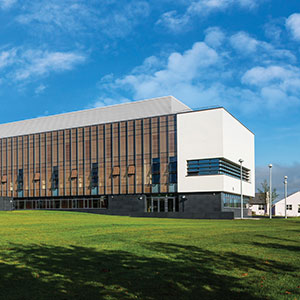
University of Galway has earned international recognition as a research-led university with a commitment to top quality teaching across a range of key areas of expertise.
-
Research & Innovation

Research & Innovation
University of Galway’s vibrant research community take on some of the most pressing challenges of our times.
-
Business & Industry
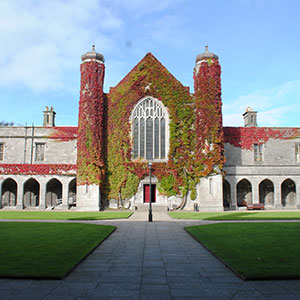
Guiding Breakthrough Research at University of Galway
We explore and facilitate commercial opportunities for the research community at University of Galway, as well as facilitating industry partnership.
-
Alumni & Friends
Alumni & Friends
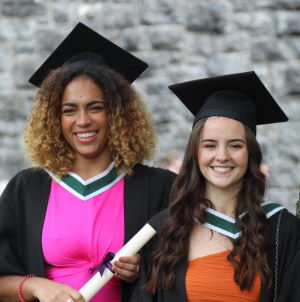
There are 128,000 University of Galway alumni worldwide. Stay connected to your alumni community! Join our social networks and update your details online.
-
Community Engagement
Community Engagement
At University of Galway, we believe that the best learning takes place when you apply what you learn in a real world context. That's why many of our courses include work placements or community projects.
 Accessibility & Language
Teaching English as a Foreign Language (TEFL)
Develop the knowledge, skills and professional competencies required to teach English in diverse international contexts.
The University of Galway TEFL (Teaching English as a Foreign Language), also known as TESOL (Teaching English to Speakers of Other Languages), programme provides participants with an internationally recognised qualification that prepares graduates to teach English both in Ireland and abroad. This programme is suitable for individuals seeking to pursue a career in language education, enhance their employability in international settings, or combine a passion for languages, cultures and intercultural communication with professional teaching practice.
Designed for those with little or no prior teaching experience, the programme is delivered part-time over one semester and combines theoretical foundations with practical application. Participants will develop expertise in lesson planning, language teaching methodology, classroom management, learner engagement, and assessment practices. A significant emphasis is placed on supervised teaching practice, enabling participants to apply their learning in authentic classroom environments and gain valuable professional experience.
The University of Galway TEFL programme equips graduates with the pedagogical knowledge, practical skills and confidence required to work effectively with English language learners from diverse linguistic and cultural backgrounds. The programme welcomes both native and non-native speakers of English who possess a high level of language proficiency and a commitment to supporting the learning and development of others.
Graduates will also benefit from ongoing guidance and support in securing their first English language teaching position, both nationally and internationally.
Course Information
Dates: Tuesday, 12 January – Saturday, 17 April 2027
Schedule: Tuesday and Thursday evenings, one teaching practice session per week, and three Saturday sessions (including the final moderation day)
Mode of Delivery: Part-time, in-person
Location: University of Galway
Course Fee: €1,750
A booking deposit is required to secure a place. Flexible payment plans are available.
Application Deadline: Friday, 27 November 2026 (or earlier if all places are filled)
Entry Requirements
Applicants should meet the following criteria:
- Penultimate-year or final-year undergraduate students, postgraduate students, graduates, or external applicants
- Leaving Certificate (or equivalent qualification)
- Demonstrated English language proficiency at a minimum of C1 level
- No prior teaching experience required
- A completed university degree is not required
This programme offers an accessible and professionally focused pathway into the field of English language teaching, providing graduates with the qualifications and practical experience needed to begin a rewarding international career in education.
What is University of Galway TEFL?
University of Galway TEFL is a professional teacher-training programme leading to the Trinity CertTESOL qualification (subject to validation). The programme equips participants with the knowledge, skills, and practical experience required to teach English to speakers of other languages in a variety of educational contexts.
What will I learn?
Participants develop expertise in:
- English language teaching methodology
- Lesson planning and course design
- Classroom management and learner engagement
- Language awareness, including grammar, vocabulary and pronunciation
- Materials development and evaluation
- Learner analysis and assessment
- Reflective teaching practice
The programme combines tutor-led workshops with supervised teaching practice involving real English language learners. The curriculum includes assessed teaching practice, language awareness, learner profiling, materials development, and language-learning experience from the learner perspective
Is this course accredited?
Yes. Subject to validation by Trinity College London, successful participants are awarded the Trinity CertTESOL, an internationally recognised initial teacher-training qualification widely accepted by employers in the English language teaching sector worldwide. Unlike shorter TEFL courses (under 120 hours), it gives you a complete, accredited route to a full English language teaching qualification and employment.
Who is the programme suitable for?
The programme is designed for individuals with a strong command of English who wish to pursue or explore a career in English language teaching. Participants may include university students, graduates, career changers, professionals seeking additional qualifications, and individuals interested in international education and intercultural communication.
Entry to the programme requires a Leaving Certificate (or equivalent qualification) and English language proficiency at a minimum of CEFR C1 level. Applicants are not required to hold a university degree or possess previous teaching experience.
Is TEFL the same as TESOL?
The terms TEFL, TESOL, and ESL are closely related and are often used interchangeably within the field of English language teaching. However, each term has a distinct emphasis:
- TESOL (Teaching English to Speakers of Other Languages): A broad term referring to the teaching of English to non-native speakers in both English-speaking and non-English-speaking contexts.
- TEFL (Teaching English as a Foreign Language): Traditionally refers to teaching English in countries where English is not the primary language.
- ESL (English as a Second Language): Refers to teaching English to individuals residing in an English-speaking country, including migrants, international students, refugees, and other multilingual communities.
The University of Galway TEFL programme prepares graduates to teach English across all these contexts, providing a versatile and internationally recognised qualification suitable for employment both in Ireland and abroad.
Is TEFL experience recognised as teaching experience?
It's a recognised teaching qualification, accepted by language schools and employers around the world, though it's different from being a registered or state-qualified teacher (such as through a national Teaching Council). It qualifies you specifically to teach English to speakers of other languages, in schools, language centres and similar settings. That experience can open doors to further teaching opportunities and is a valuable addition to your CV and teaching record.
Do I need previous teaching experience?
Previous teaching qualifications or teaching experience are not required. The programme is designed to provide comprehensive initial teacher training and supports participants in developing their teaching practice from foundation level.
What are the career opportunities?
The University of Galway TEFL programme is designed to prepare graduates for employment in the field of English language teaching both in Ireland and internationally.
In addition to providing an internationally recognised teaching qualification, the programme includes an employment support and placement initiative designed to assist graduates in securing their first teaching position. This support may include:
- Guidance on preparing professional applications and CVs
- Interview preparation and career mentoring
- Access to professional networks and employment opportunities
- References and recommendations from programme tutors
- Information on teaching vacancies in Ireland and abroad
The qualification can provide access to employment opportunities in a broad range of settings, including:
- Private language schools
- Summer language programmes
- Online English language teaching
- Community and adult education programmes
- Corporate language training
- English for Academic Purposes (EAP) and foundation programmes
- International educational institutions
Graduates may also pursue further professional development through advanced qualifications and specialised teaching pathways. These employment pathways are highlighted throughout the programme and its associated career-support activities.
How much can I expect to earn as a TEFL-qualified teacher?
Earnings for TEFL-qualified teachers vary considerably depending on factors such as location, employer, qualifications, experience, and the type of teaching undertaken. As a result, there is no single salary scale applicable across the English language teaching sector.
In Ireland, English language teachers working in language schools typically earn between €20 and €35 per hour, with private tuition often commanding similar or higher rates. Internationally, salaries vary according to local economic conditions, cost of living, and demand for qualified English language teachers.
As an indicative guide:
- Spain and Vietnam: approximately €1,300-€2,000 per month, often with accommodation assistance or a relatively low cost of living.
- South Korea, Japan, and the Gulf States: approximately €1,700-€5,000 per month, with some positions offering additional benefits such as accommodation, flights, health insurance, and, in certain jurisdictions, tax-free income.
Earning potential generally increases with professional experience and further qualifications. Graduates who progress to advanced teacher-training awards, specialise in areas such as examination preparation (e.g. IELTS or Cambridge English), Business English, or English for Academic Purposes (EAP), or move into academic management and teacher-training roles may access enhanced career opportunities and salary progression.
How much time will the programme require?
The programme is delivered on a part-time basis from Tuesday, 12 January to Saturday, 17 April 2027, enabling participants to balance their studies with existing academic, professional, or personal commitments.
Weekly attendance includes:
- Input sessions on Tuesday and Thursday evenings (6.00pm-9.30pm)
- One supervised teaching practice session per week, selected from the available Monday evening, Wednesday evening, or Friday afternoon teaching practice groups
- Three Saturday sessions throughout the programme, including the final moderation day on Saturday, 17 April 2027
Participants should anticipate a commitment of approximately 10 contact hours per week, in addition to time allocated for lesson preparation, reflective practice, portfolio development, and written assignments.
As the programme is intensive and professionally orientated, effective time management is essential, particularly for those balancing the programme alongside employment or academic study. University of Galway students should note that the final stage of the programme coincides with the University's study and examination period; however, portfolio components may be completed in advance, allowing participants to manage their workload more effectively.
How is the programme assessed?
Assessment is continuous and is based on teaching practice, written assignments, portfolio work, and professional development tasks. Participants are assessed throughout the programme and moderated in accordance with accreditation requirements.
How much does the programme cost?
The programme fee is €1,750 and includes:
- Tuition and instruction delivered by experienced teacher trainers
- All programme materials
- Registration with Trinity College London
- Trinity CertTESOL certification upon successful completion
- External moderation and assessment
A deposit is required to secure a place on the programme. Flexible payment plans are available, and applicants are encouraged to contact the English Language Centre to discuss the payment option most appropriate to their circumstances. As places are limited, early application is recommended.
Is funding available?
A range of options may be available to assist participants in managing the cost of the programme.
Individuals in receipt of a jobseeker’s payment may be eligible to retain their social welfare entitlement while undertaking the programme through the Part-Time Education Option (PTEO) operated by the Department of Social Protection. Prospective participants should contact their local Intreo Centre in advance of the programme commencing, as approval may be required before enrolment.
Participants who are currently employed may wish to enquire whether their employer offers support for professional development or staff training, as some organisations provide funding or reimbursement for accredited educational programmes.
In addition, a deposit is sufficient to secure a place on the programme, and flexible payment plans are available through the English Language Centre. Applicants are encouraged to contact the Centre directly to discuss the payment option most appropriate to their individual circumstances.
Is there an information session?
Yes. We run information sessions for anyone interested in the course. If you missed our most recent session, you can view the slides here. To hear about upcoming sessions, contact the English Language Centre.
How do I apply?
Applications are submitted online. Shortlisted applicants complete a pre-interview task and attend an interview, which includes a written English language assessment. Places are limited, and early application is recommended
How to Book
Downloads
-
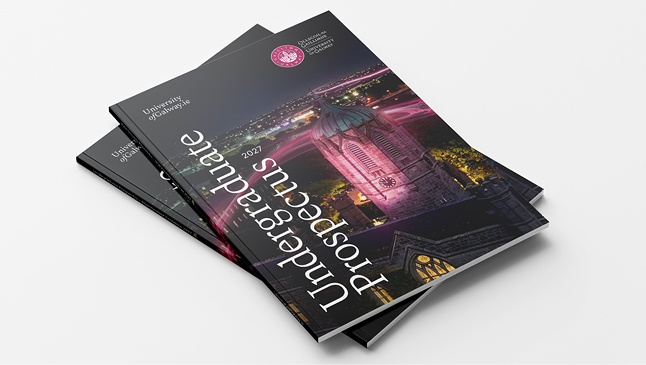
Undergraduate Prospectus 2027 PDF (12.4MB)
-
Postgraduate Prospectus 2027 PDF (7.5MB)
-

Quick Guide to Courses 2027 PDF (752.3KB)
-
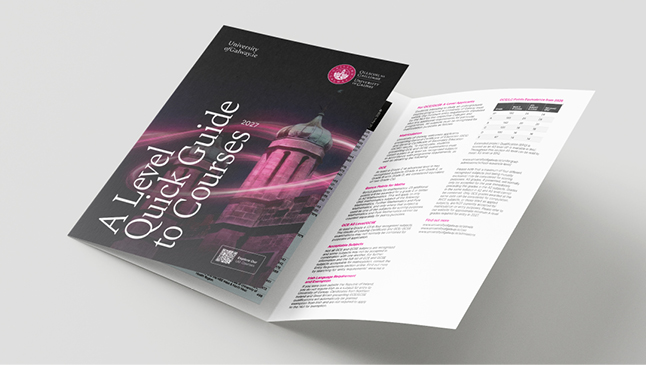
A-Level Quick Guide to Courses 2027 PDF (1.3MB)
-

Pre-Arrival Guide 2026 PDF (2.8 MB)
-

Brazil Student Guide PDF (3.2 MB)
-

Chile Student Guide PDF (3.1 MB)
-

Colombia Student Guide PDF (3.1 MB)
-

Ghana Student Guide PDF (3.4 MB)
-

Hong Kong Student Guide PDF (3.6 MB)
-

Indian Student Guide PDF (3.5 MB)
-

Indonesian Student Guide PDF (3.2 MB)
-

Malaysian Student Guide PDF (3.6 MB)
-

Mexico Student Guide PDF (3.1 MB)
-

Nigeria Student Guide PDF (3.4 MB)
-

North American Student Guide PDF (2.9 MB)
-

Panama Student Guide PDF (3.1 MB)
-

South African Student Guide PDF (3.7 MB)
-

Taiwan Student Guide PDF (4.0 MB)
-

Thailand Student Guide PDF (3.6 MB)
-

Turkish Student Guide PDF (4.2 MB)
-

UAE Student Guide PDF (3.4 MB)
-

Vietnam Student Guide PDF (3.39 MB)
.jpg" alt="Events Images 2" style="width : 649px; height : 359px; " />)